At ABA Specialists Therapy, we offer a comprehensive range of services that come together to provide a complete ABA therapy experience. Our multidisciplinary approach combines various components to address the unique needs of each individual. From initial assessment and individualized program development to skill training, behavior reduction, and ongoing support, our services work in synergy to promote growth and positive behavior change. Through evidence-based techniques and personalized treatment plans, we strive to enhance communication, social interactions, and adaptive skills. Our dedicated team of therapists and behavior analysts collaborate closely with families, schools, and other professionals to ensure a cohesive and integrated approach to therapy.
With a focus on data-driven decision making and continual assessment, we monitor progress and make adjustments as needed to optimize outcomes. We believe in the power of positive reinforcement and the importance of creating a nurturing and supportive environment for individuals to thrive. By offering a comprehensive range of services, we aim to provide individuals with the tools they need to reach their full potential and lead fulfilling lives.
Through our comprehensive ABA therapy services, we are committed to making a meaningful difference in the lives of the children and families we serve.
We use this evidence-based technique that helps to improve socially significant behavior. The goal is to decrease challenging behaviors by increasing positive behaviors. In consequence, we can improve communication, social interactions and learning skills.
Communication Skills
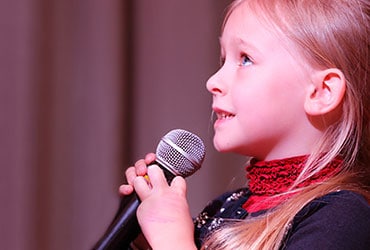
Our therapists provide functional communication skill training that focuses on expressing the child’s wants, needs, and conversational skill.
We understand the vital role that communication plays in every aspect of our lives. That’s why we are passionate about helping children develop and enhance their communication skills through our specialized therapy programs.
Caregiver Support Session
We believe caregiver support is at the heart of effective therapy. We recognize the important role parents and caregivers play in their child’s development, and we are committed to providing them with the tools, knowledge, and strategies needed to support their child’s continued progress.
We understand that meaningful, lasting progress extends beyond therapy sessions. That’s why we place a strong emphasis on helping families apply and generalize the skills learned in therapy to everyday routines and environments. By empowering parents and caregivers with practical ABA strategies and techniques, we create a collaborative partnership that supports consistency, promotes independence, and fosters meaningful growth across settings.
Social Training: Nurturing Meaningful Connections and Building Social Skills
We understand that children with autism spectrum disorder may experience challenges with social communication and interaction. That’s why social skills development is an important part of our individualized therapy programs. Our goal is to help each child build meaningful skills that support positive interactions, relationships, and greater independence in everyday life.
Through individualized and group-based learning opportunities, we may target skills such as turn-taking, sharing, initiating and maintaining interactions, responding to others, understanding social and nonverbal cues, and perspective-taking. Using evidence-based ABA strategies, we teach and practice these skills in supportive, structured, and natural environments. We also create opportunities for children to use their developing skills with different people and across settings, helping promote meaningful generalization beyond therapy.
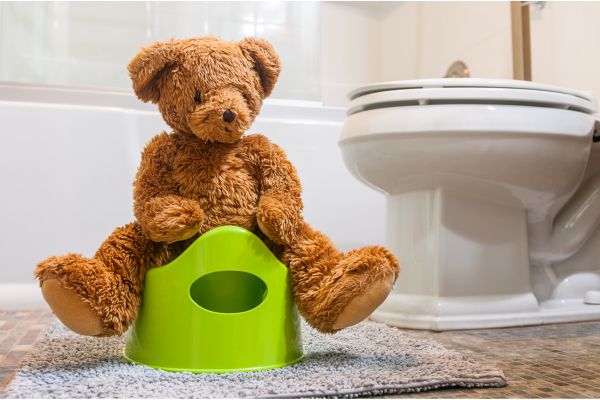
Potty Training: Empowering Independence and Teaching Essential Skills
Toileting is an important self-care skill that can support a child’s independence and participation in everyday routines. We recognize that every child develops these skills at their own pace, and we work with families to provide individualized strategies, guidance, and support throughout the toilet training process.
Using evidence-based ABA strategies, we help children develop the skills needed for greater independence with toileting routines. Depending on each child’s individual needs and readiness, this may include recognizing when to use the bathroom, communicating the need to go, following toileting routines, and completing related self-care tasks. We celebrate meaningful progress along the way while working closely with caregivers to promote consistency and generalization across home and other everyday environments.
We use cookies to ensure that we give you the best experience on our website. If you continue to use this site we will assume that you are happy with it.


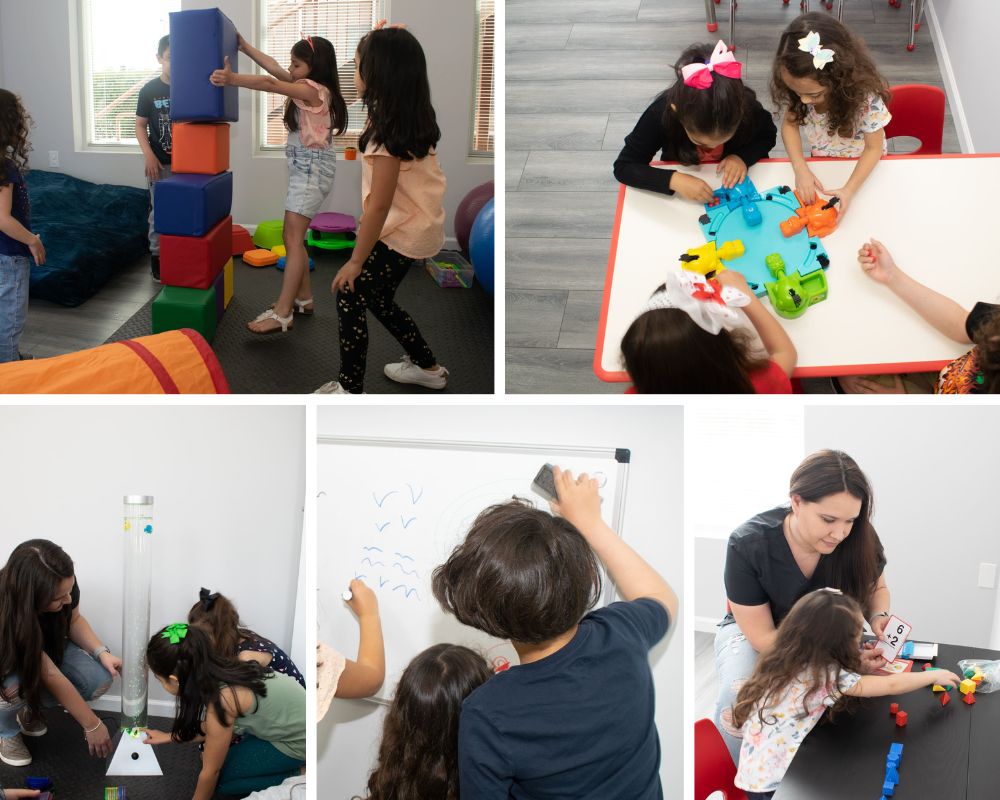

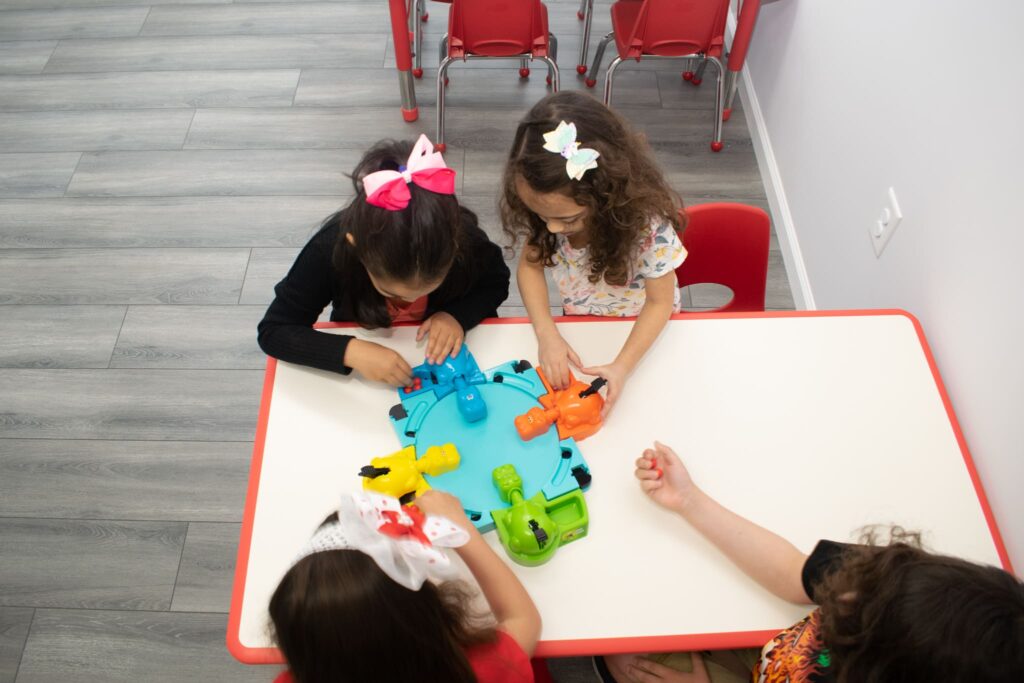
We understand that children with autism spectrum disorder may experience challenges with social communication and interaction. That’s why social skills development is an important part of our individualized therapy programs. Our goal is to help each child build meaningful skills that support positive interactions, relationships, and greater independence in everyday life.
Through individualized and group-based learning opportunities, we may target skills such as turn-taking, sharing, initiating and maintaining interactions, responding to others, understanding social and nonverbal cues, and perspective-taking. Using evidence-based ABA strategies, we teach and practice these skills in supportive, structured, and natural environments. We also create opportunities for children to use their developing skills with different people and across settings, helping promote meaningful generalization beyond therapy.